Showing posts with label 211 m1. Show all posts
Showing posts with label 211 m1. Show all posts
Saturday, 15 January 2011
How to stretch Canvas Prints using Stretcher Bars
This presentation demonstrates how to produce a canvas using stretcher bars. I have placed it in this blog as part of my evidence as it directly relates to my previous blog.

Saturday, 8 January 2011
Unit 211 - Presenting photo images 1a
Final image 1


Image size
A3 - As requested by course leader
Final presentation format
40.7cm x 30cm Canvas.
Explanation of presentation choice
This image was specifically chosen by the subject to fit into a room in her house. The walls of the room were a light and a bright off white colour and she expressed that she wanted a contrasting image. This image fitted the brief well as it is in black and white with the dominant colour being black. There were a number of choices regarding the final image that included the following:
1) Matt print
2) Gloss print
3) Acrylic finish
4) Canvas
5) Framed prints (variety of frames, quality and sizes).
The final chosen medium was canvas as it is a medium that produced the desired effect for the commission. Canvas medium produced a matt effect and provided the final image with some texture. Because the main body of the image was black, the texture created by the canvas enhanced the final result.
When choosing the final canvas there were a number of options, whether the canvas was a complete wrap around, whether the producer was to bleed the edges or whether a white border was included in order to reduce the amount of image that was lost in the cropping process, (see email link for further explanation and detail). For the purpose of this image, I chose a wrap around as the final piece needed to be completely black in order to produce the desired effect.

Final image 2

Image size
A3 as required by the unit.
Final presentation format
Electronic slideshow.
Explanation of presentation choice
This image was taken for a client on a 'family day' studio event. In order for the client to chose the pictures they wish to order, I provided them with a PDF slideshow of all of their images.
The PDF is produced using adobe lightroom and it is an excellent of way of sending images to a client without having to watermark them all individually and place them on a disk.
The final produced picture of this image could be displayed by a variety of medium. The most simple would be either a matt or gloss finish. The next thing to consider is the framing of this image. The background colour is white, so a contrasting dark wood or black frame may well complement it well. Please such as 'one vision' provide an excellent choice of frames to compliment nearly all types of image.

For this image, I would personally choose the 33mm black frame, as this would add to the overall black, white and red theme of the image and help enhance the '80's theme. A frame like the yellow, blue and pink ones would clash terribly and make the image unappealing to look at.
Many professional photographers use their own websites to display their images. This allows potential clients to view a selection of images created by the photographer and may help with the promotion of their services. On line galleries enable huge amounts of work to be displayed in categories for the viewing pleasure of the public. Site such as flickr, allow anyone with an interest in photography to display their work and receive comments from the viewing population.

Final image 3

Image size
A3 as required by the unit.
Final presentation format
Gloss image/wrapped canvas
Explanation of presentation choice
This image was created during a studio session for a friend. After sending her the electronic slideshow of all of the images I took of her nephew, she chose a canvas and a gloss print.
Prints
Matt and Gloss prints are the post common types of displaying both single images and multiple images for viewing. The quality of these prints will vary dramatically depending on the types of paper used to create the final image.
Professional labs offer a variety of papers and finishes.

Places like 'Digitalab' are a professional company and offer the following options for prints:
- Fujiflex prints

- Duratrans/Fujitrans

- Metalic photo prints

- High gloss prints

Final image 4

Image size
A3 - As required by course
Final presentation format
Photobook
Explanation of presentation choice
This photo was taken during a shoot for a friend who wished to have a photo book created to produce a family album. There are a number of online services that produce photo books and as with the prints, there is a huge variety of choice regarding the quality of the finish and the layout of the pictures. Many sites like 'pixum' enable the photographer to have a free hand in how the book looks regarding layout and final presentation piece.

There are hundreds of these services on line:
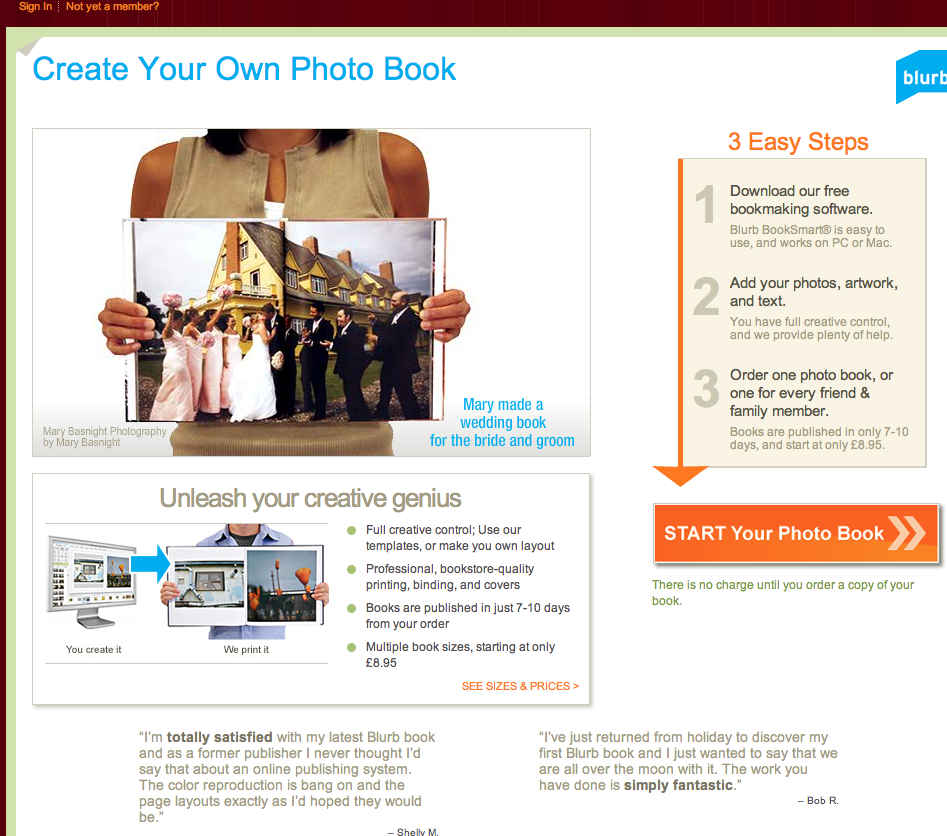


Each of them provide this service but have to compete with each other with regards to quality and variety of service so it is very much the photographers market. The are options around:
- Size of book
- Number of pages
- Quality of paper
- Cover material (hard cover, soft cover, fabric etc........)
Final image 5
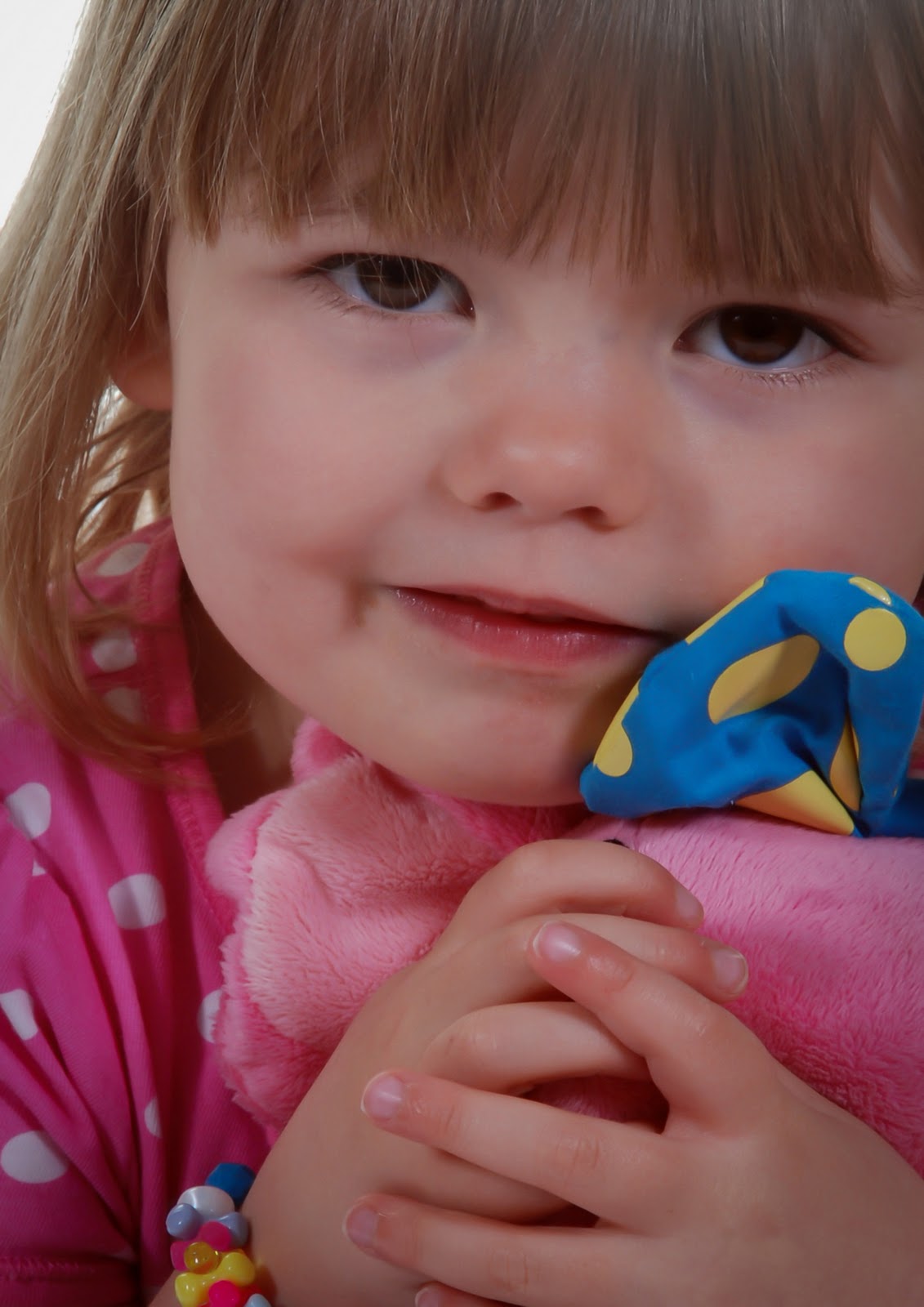
Image size
A3 - as required by course
Final presentation format
Gloss print
Explanation of presentation choice
Like with any of the portraits that have been commissioned or produced for clients, the choice of final image medium is down to them. This particular image was finally produced as a gloss print and placed in a silver metallic frame.
Many images can be displayed at once using an online gallery (as discussed before) however, exhibitions of work allow the photographer to display a large amount of work at once with the additional benefit of choosing a venue that may well compliment the exhibition theme.

'Idea Generation' is a the UK'svictoria and albert museum (for example) would not attract the same people and would therefore not make the exhibition as successful as it could be.
Marcus Adams is a Royal photographer who is currently displaying his work at Windsor Castle

This exhibition could not be better placed!
Final image 6
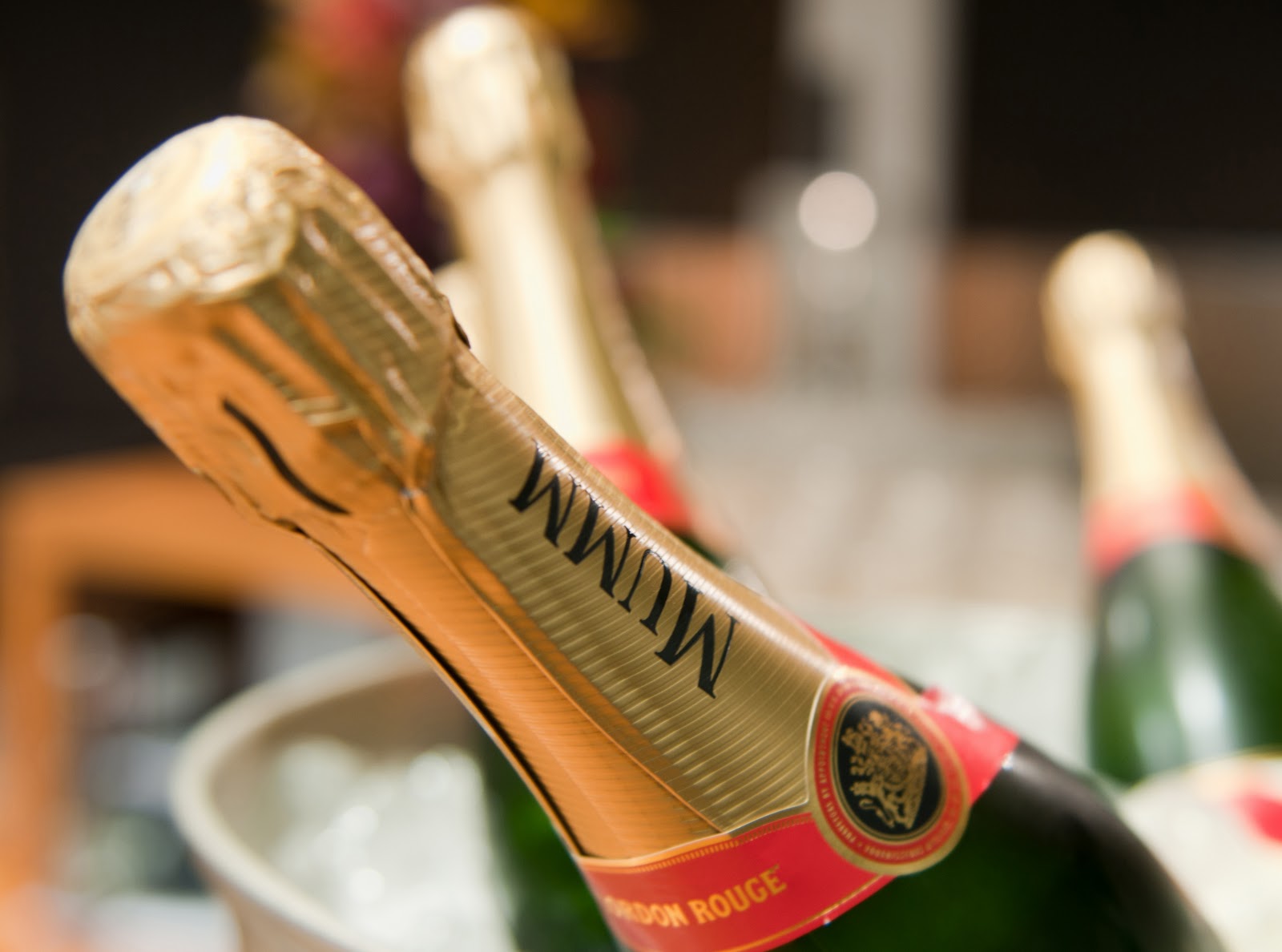
Image size
A3 - As required by the course
Final presentation format
Matt print
Explanation of presentation choice
This image was produced during a shoot for a corporate event. I wanted to choose a single image that represented the whole feel of the event and I felt that this did it nicely. Champagne represents things like, extravagance, wealth, celebration and luxury and in the glossy world of the pharmaceutical industry, champagne has it down to a tee!
The final image was presented on a framed matt print and displayed in the companies head office. It was framed in a black frame, that did the image justice, as it draws the eye to the central focal point.
Large poster prints and bigger images
Places like photo box all the customer to upload images onto the website and choose 'poster prints' and bigger. It also has a facility to check the quality of the print before ordering as the larger the print the better the quality of the original picture needs to be.


The screen shots above show that these images I have chosen to order for a 45X30 inch prints are good enough as there is a green smiley face saying high quality image. If these images were not of sufficient quality for the size of the desired image then there would be a red face saying low quality picture.
In order to view large images, there has to be sufficient space to appreciate the final image. A great example of a place where large images are displayed to maximize their impact is Time square in New York.

Final images 7&8


Image size
A3 as required by the course
Final method of presentation
Images framed as a set in a single frame
Explanation of presentation choice
Both images are along a similar theme choice therefore it make sense, to display them together as a single piece of art. Both images compliment each other in both theme and colour and would look the most effective being presented in a kitchen.
Images displayed together can provide the viewer with a more detailed and interesting piece of art work, providing that the images compliment each other. Completely separate images that illustrate different colours, focal points and subjects could clash and destroy the quality of each individual image.

These types of frames allow more than one image to be displayed at once. An electronic version of this would be the electronic picture frame.
Final images 9&10


Image size
A3 as required by the course
Final method of presentation
Electronic photo frame
Explanation of presentation choice
Electronic photo frames have revolutionized the way we can view out pictures. In this digital age, people are less likely to get images printed and more likely to use this instant display format as it is so simple to use.
There are many makes, sizes and types of digital photo frame:

From small digital key rings

To larger and more expensive frames.
Friday, 12 November 2010
Theme 1 - Other inflences
Once you consider the issue of 'cross dressing' the boundaries disappear and your can have complete creative freedom over the types of images you want to create. The following images are by a very famous and main stream photographer - Annie Leibovitz and were published in a very famous and main stream magazine....'Vanity Fair'.


Annie Leibovitz was born in 1949 in Connecticut, USA and originally studied art and painting in the San Francisco Art Institute. After travelling with her family to Japan, she finally discovered photography and started taking night classes. Leibovitz got into the 'big time' when she approached the editor of rolling stone magazine and 1970 and showed her, her portfolio of images. By 1973 she was the chief photographer for rolling stone magazine.
The magazine started printing in colour in 1974 and Leibovitz followed suit with her photographs. Originally she was only ever taught how to take black and white pictures, so in 1974 when rolling stone magazine was printing in colour, she followed suit by taking colour images for the likes of Bob Dylan, Bob Marley and Patti smith. in 1975 she was the rolling stones official photographer and went on world tour with them. while on the road, she produced her iconic black and white portraits of Keith Richards and Mick Jagger.
In 1980 Rolling stone magazine was sent to photograph John Lennon and Yoko Ono who had recently produced a joint album. For the portrait she imagined that the two would pose together nude, however, Ono was not happy with this and it was only Lennon who was prepared to disrobe. after taking a Polaroid of the portrait, she knew that it was an amazing image.

Several hours later, Lennon was shot dead in front of his apartment. in 2005, the American Society of magazine editors named it the best magazine cover from the past 40 years.
In 1983 Leibovitz joined Vanity Fair and was made the magazines first contributing photographer. At Vanity Fair she became known for her wildly lit, staged, and provocative portraits of celebrities. One of the most famous is Whoopi Goldberg submerged in a bath of milk.

Apparently, this image was a mistake (as stated in Annie Leibovitz 'at work') as Whoopie slipped and Leibovitz just managed to capture the moment before Whoopie was completely submerged! I think that the image is fantastic, with a wonderful humorous element and obvious contrast between Whoppies dark skin and the white milk of the bath. It truly captures Whoopies personality.
The following image of Martina Navratilova is intriguing. It portrays a masculine athletic woman moving a huge cog.


Annie LeibovitzAnnie Leibovitz was born in 1949 in Connecticut, USA and originally studied art and painting in the San Francisco Art Institute. After travelling with her family to Japan, she finally discovered photography and started taking night classes. Leibovitz got into the 'big time' when she approached the editor of rolling stone magazine and 1970 and showed her, her portfolio of images. By 1973 she was the chief photographer for rolling stone magazine.
The magazine started printing in colour in 1974 and Leibovitz followed suit with her photographs. Originally she was only ever taught how to take black and white pictures, so in 1974 when rolling stone magazine was printing in colour, she followed suit by taking colour images for the likes of Bob Dylan, Bob Marley and Patti smith. in 1975 she was the rolling stones official photographer and went on world tour with them. while on the road, she produced her iconic black and white portraits of Keith Richards and Mick Jagger.
In 1980 Rolling stone magazine was sent to photograph John Lennon and Yoko Ono who had recently produced a joint album. For the portrait she imagined that the two would pose together nude, however, Ono was not happy with this and it was only Lennon who was prepared to disrobe. after taking a Polaroid of the portrait, she knew that it was an amazing image.

In 1983 Leibovitz joined Vanity Fair and was made the magazines first contributing photographer. At Vanity Fair she became known for her wildly lit, staged, and provocative portraits of celebrities. One of the most famous is Whoopi Goldberg submerged in a bath of milk.

Apparently, this image was a mistake (as stated in Annie Leibovitz 'at work') as Whoopie slipped and Leibovitz just managed to capture the moment before Whoopie was completely submerged! I think that the image is fantastic, with a wonderful humorous element and obvious contrast between Whoppies dark skin and the white milk of the bath. It truly captures Whoopies personality.
The following image of Martina Navratilova is intriguing. It portrays a masculine athletic woman moving a huge cog.

The use of light has created and image that contains clear definitionn of different tones and shapes. I love the way the light defines both the strength of the cog and the strength of Martina's arms and legs. It may portray the challenge Martina had with the Media at the height of her career in the 80's and 90's.
Subscribe to:
Posts (Atom)